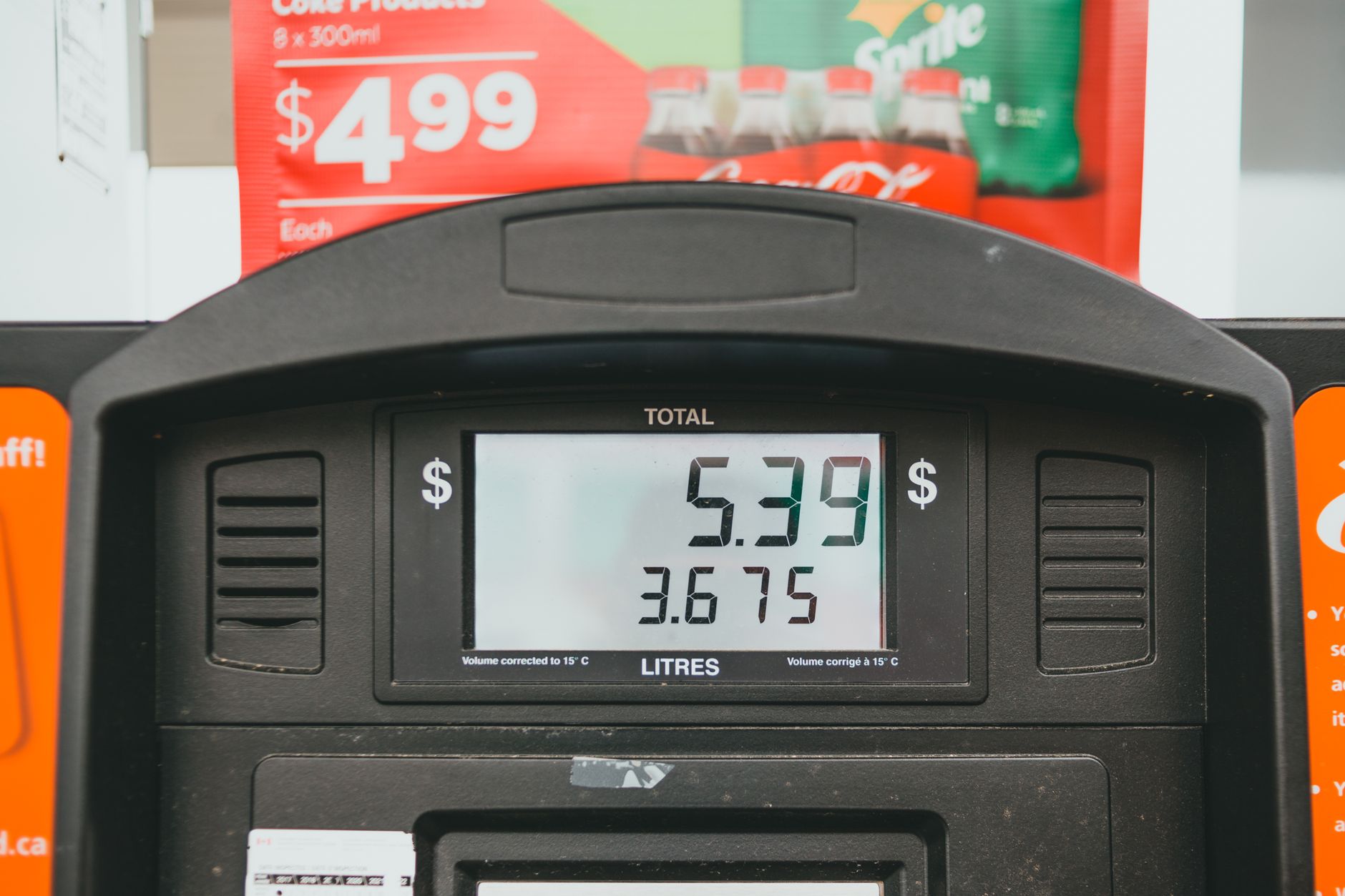
gas prices increase this week by 23 cents, causing concern among drivers and affecting budgets nationwide.
Current Gas Price Trends
As consumers prepare for the weekend, they are facing a notable rise in fuel costs. Current gas prices have increased by 23 cents this week, prompting concerns among drivers and industry experts alike. This surge represents one of the largest weekly increases seen in recent months, leaving many to wonder about the factors contributing to this rise.
Several reasons have been cited for this increase in gas prices:
- Crude Oil Prices: A jump in crude oil prices on the global market has directly impacted the cost of gasoline.
- Seasonal Demand: With summer travel approaching, demand for fuel typically rises, contributing to increased prices.
- Refinery Issues: Some refineries are experiencing maintenance delays, which can limit supply and drive prices higher.
- Geopolitical Tensions: Ongoing geopolitical uncertainties may lead to fluctuations in oil supply and prices.
The increase in gas prices is particularly concerning for those who rely on their vehicles for commuting and travel. As the situation develops, consumers are urged to stay informed about potential further increases in gas prices.
Factors Behind the Gas Prices Increase
The recent increase in gas prices, now 23 cents higher this week, can be attributed to several key factors influencing the market. Understanding these elements provides insight into the fluctuations consumers are experiencing at the pump.
- Crude Oil Prices: The cost of crude oil has seen a notable rise, driven by geopolitical tensions and supply chain disruptions. These factors create a ripple effect, leading to increased gas prices.
- Seasonal Demand: As summer travel peaks, demand for gasoline typically surges. This seasonal increase contributes to higher prices as refineries work to meet consumer needs.
- Refinery Maintenance: Planned maintenance and unexpected outages at refineries can limit supply, pushing prices upward. When production slows, the available gasoline becomes more expensive.
- Inflationary Pressures: Broader economic conditions, including inflation, have also impacted the cost of gasoline. Increased operational costs for transportation and production filter down to consumers.
As these factors continue to evolve, experts predict the potential for further fluctuations in gas prices in the coming weeks.
Impact of Rising Gas Prices on Consumers
The recent increase in gas prices has left many consumers feeling the pinch at the pump. With prices rising by 23 cents this week, families are reevaluating their budgets and transportation habits. The impact of rising gas prices is being felt across various sectors, leading to wider economic implications.
Many consumers are now faced with difficult decisions regarding their daily commutes and travel plans. In response to the gas prices increase, some individuals are opting for public transportation or carpooling to mitigate costs. Others are considering alternatives such as biking or walking for shorter distances.
Additionally, the increase in gas prices is likely to affect the cost of goods and services. Businesses reliant on transportation may pass on their increased fuel costs to consumers, resulting in higher prices for everyday items. This broader economic effect could lead to a ripple effect, impacting sectors from grocery stores to delivery services.
As consumers navigate this challenging landscape, experts recommend monitoring prices closely and exploring cost-saving measures. The ongoing volatility in fuel costs underscores the importance of being proactive in managing personal finances.
Predictions for Future Gas Prices
As gas prices increase, analysts are closely monitoring the market for signs of future trends. Experts predict that several factors may influence prices in the coming weeks.
- Crude Oil Prices: The cost of crude oil remains a significant driver of gas prices. Any fluctuations in global oil supply can lead to immediate changes at the pump.
- Seasonal Demand: Typically, gas prices rise during the summer months due to increased travel. As the warmer months approach, demand is expected to surge, contributing to higher prices.
- Geopolitical Tensions: Ongoing conflicts in oil-producing regions can also disrupt supply chains, resulting in a further gas prices increase. Analysts suggest remaining vigilant about international developments.
- Government Policies: Potential changes in regulations and taxes related to fuel production could affect prices. Policymakers are evaluating strategies to stabilize the market.
Overall, while the immediate outlook indicates rising gas prices, the market remains dynamic. Consumers should prepare for potential fluctuations as various factors come into play.
As consumers feel the pinch at the pump, analysts predict that gas prices increase could continue in the coming weeks due to rising crude oil costs. Many drivers are already adjusting their budgets as gas prices increase, making it a hot topic of discussion among families and commuters alike.
Photo by Erik Mclean on Pexels
References
westerniowatoday.com · Gas price increase
You might also like
Vocational Skills Centre: Proven Support for Disabled Youth · Stock Market News: Worst Day for Dow with Clear Insights · School Assembly News: Today’s Top Highlights Revealed!


2 thoughts on “Gas Prices Increase: 23 Cents Higher This Week”