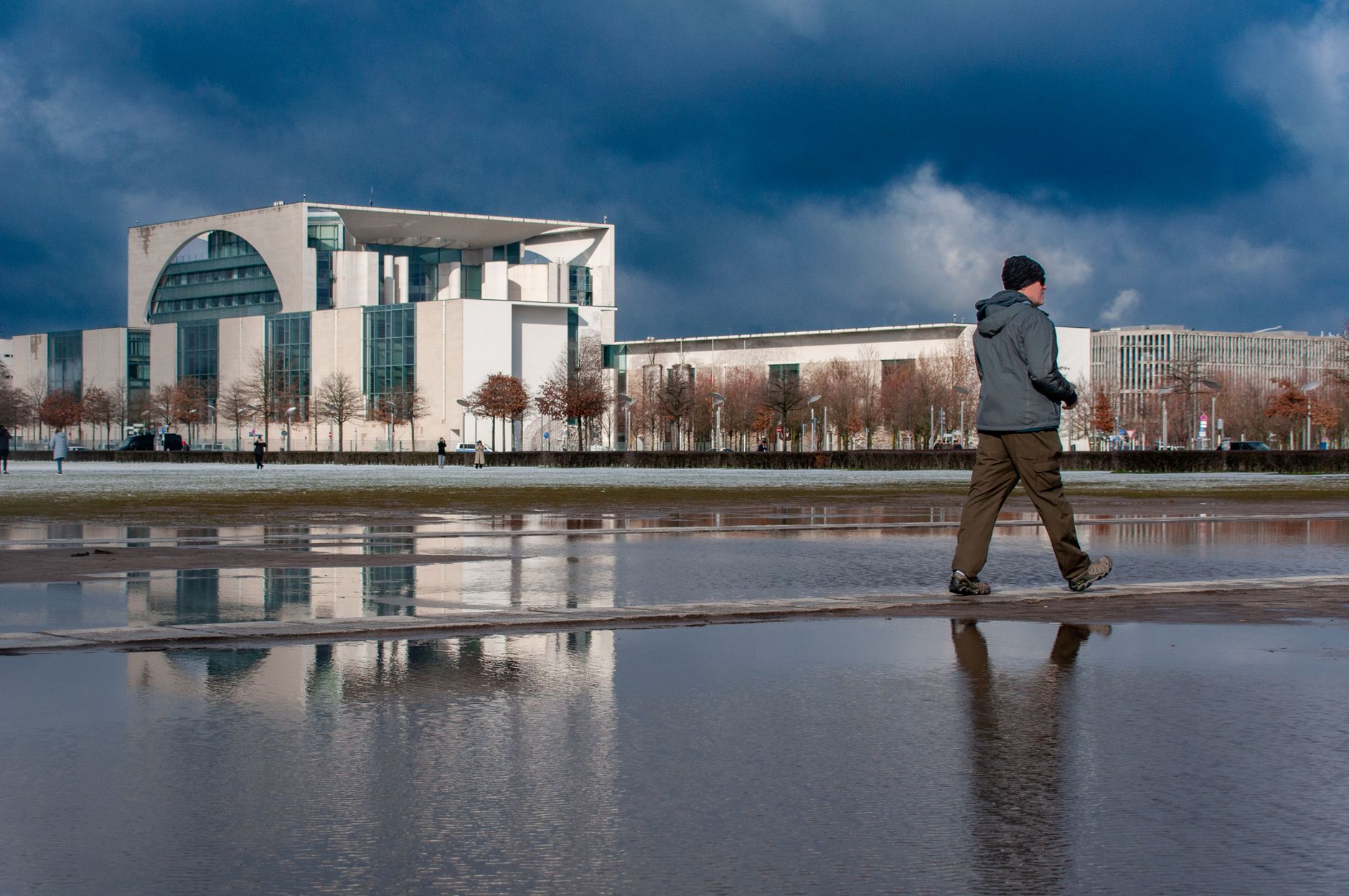
German chancellor power is increasingly uncertain as the leader faces another defeat to the far-right AfD party. This loss raises questions about the future of the current administration.
Current Political Landscape in Germany
The political landscape in Germany has become increasingly volatile, with the recent election results marking the worst loss yet for the ruling party against the far-right Alternative for Germany (AfD). This shift highlights the challenges faced by the German chancellor, who is now clinging to power amid rising discontent among voters.
In the latest polls, the AfD has gained a significant foothold, drawing support from disillusioned citizens who feel neglected by traditional parties. This growing trend is a cause for concern, as it signals a potential shift in the political dynamics of the country.
Key factors contributing to the current situation include:
- Economic Strain: Many citizens are struggling with rising living costs and economic uncertainty.
- Migrant Crisis: Ongoing debates around immigration policies have polarized public opinion.
- Climate Issues: The government’s approach to climate change has been met with mixed reactions.
As the German chancellor navigates this turbulent environment, the power dynamic is shifting, potentially altering the future of German politics for years to come.
Impact of AfD’s Rise
The rise of the Alternative for Germany (AfD) has significantly impacted the political landscape, marking a troubling trend for the German chancellor. In the latest elections, the AfD secured its best results to date, which has raised concerns about the stability of the current government. As the AfD gains momentum, the chancellor’s power appears increasingly precarious.
Analysts highlight several factors contributing to the AfD’s ascent:
- Public Discontent: Many voters express dissatisfaction with traditional parties, feeling that their concerns regarding immigration and economic issues are not adequately addressed.
- Economic Uncertainty: Rising inflation and energy prices have left citizens seeking alternatives, driving support toward parties like the AfD that promise radical changes.
- Political Polarization: The growing divide on social issues has allowed the AfD to position itself as a defender of national identity, attracting disillusioned voters.
In light of these developments, the chancellor must navigate a complex political environment, balancing coalition dynamics while addressing the challenges posed by the AfD’s increasing influence. This situation underscores the shifting power dynamics within German politics.
Public Reaction to the Loss
The recent electoral defeat has sparked significant public reaction across Germany, with many citizens expressing discontent with the current state of governance. Voter sentiment appears to be shifting, as the far-right Alternative for Germany (AfD) party continues to gain traction, highlighting the challenges faced by the German chancellor in maintaining power.
Many individuals have taken to social media platforms to voice their concerns, with numerous comments reflecting frustration with the government’s inability to address pressing issues such as the economy, immigration, and public safety. Some citizens believe that the chancellor’s leadership style is outdated and fails to resonate with the younger electorate.
- Support for AfD: A growing number of voters are drawn to the AfD’s promises of change.
- Calls for Reform: Protesters are demanding a reevaluation of policies that have not met public expectations.
- Concern Over Division: Many fear the rise of the AfD is deepening societal divides.
As the chancellor clings to power amid this turbulent political landscape, the question remains whether the government can re-engage with its constituents or if the trend favoring the AfD will continue.
Future of the Chancellor’s Leadership
The future of the Chancellor’s leadership appears increasingly precarious following the recent electoral setback. As the German chancellor grapples with the consequences of the worst loss to the far-right Alternative for Germany (AfD) party, questions about the sustainability of her power emerge. Analysts suggest that this defeat may signify a pivotal turning point in German politics.
In recent months, the chancellor’s administration has faced mounting pressure, not only from the AfD’s growing influence but also from internal party dissent. The coalition government is now at risk of splintering, which could lead to further instability. Political experts warn that the chancellor’s ability to navigate these turbulent waters will be crucial in maintaining her leadership.
Moreover, the electorate’s shifting sentiments highlight a demand for change, which could further embolden opposition parties. Polling data reflects a growing disenchantment with the current government, raising concerns about public confidence in the chancellor’s capacity to govern effectively.
Moving forward, the chancellor must find a way to address the electorate’s concerns while reinforcing her position within the party, as the future of the German chancellor’s power hangs in the balance.
Comparative Analysis of Political Parties
The recent electoral performance of various political parties in Germany highlights a significant shift in the political landscape, particularly in relation to the German chancellor power. The rise of the far-right Alternative for Germany (AfD) has reshaped the dynamics, drawing attention to the vulnerabilities of traditional parties.
In the wake of this development, a comparative analysis reveals critical insights:
- Social Democratic Party (SPD): Once a dominant force, the SPD has struggled to maintain its base, reflecting a growing disconnection with voters.
- Christian Democratic Union (CDU): The CDU’s conservative values face challenges as the party attempts to reclaim its influence amidst rising AfD support.
- Green Party: While gaining traction among younger voters, the Greens find it difficult to appeal to broader demographics affected by the AfD’s populist messaging.
- Left Party: The Left Party faces internal divisions and has seen a decline in support, complicating its ability to present a unified opposition.
This comparative landscape underscores the complexities facing the chancellor as they navigate a political era marked by extreme polarization and shifting allegiances.
Historical Context of AfD
The Alternative for Germany (AfD) party has steadily gained traction since its founding in 2013, marking a significant shift in the German political landscape. Initially established as a Eurosceptic party, the AfD has transformed into a far-right movement that capitalizes on public discontent over immigration, economic instability, and national identity.
Historically, the success of the AfD can be attributed to a combination of factors:
- Economic Concerns: Many voters feel left behind by globalization and have turned to the AfD for solutions that resonate with their frustrations.
- Immigration Policies: The party has taken a hardline stance on immigration, appealing to segments of the population that are worried about the cultural and economic impacts of newcomers.
- Political Disillusionment: A growing number of citizens have expressed disillusionment with traditional parties, leading them to seek alternatives that promise change.
As the AfD continues to gain power, it poses a significant challenge to the current German chancellor, who is now facing the worst loss to the party yet. This shift raises critical questions about the future of German chancellor power and the political stability of the nation.
Next Steps for the Government
In the wake of the recent electoral setback, the German government faces significant challenges as it seeks to regain stability and address the mounting concerns of the electorate. The rise of the far-right Alternative for Germany (AfD) has not only altered the political landscape but also put immense pressure on the German chancellor to demonstrate effective leadership and commitment to core democratic values.
Moving forward, the government plans to prioritize several key initiatives aimed at rebuilding public trust and countering the influence of the AfD. These initiatives include:
- Strengthening Social Policies: Enhancing support for vulnerable communities and addressing economic disparities.
- Improving Public Safety: Increasing funding for law enforcement and community programs to combat extremism.
- Engaging with Voters: Launching a series of town hall meetings to foster dialogue between citizens and government representatives.
- Reassessing Immigration Policies: Revising immigration strategies to ensure they align with public sentiment while maintaining humanitarian commitments.
As the chancellor navigates this tumultuous period, the focus will be on consolidating power within the government and responding effectively to the challenges posed by the AfD’s growing support.
The recent election results have highlighted a significant shift in German chancellor power, as the AfD party gains unprecedented support. This worst loss to AfD yet raises questions about the future of German chancellor power and its implications for the political landscape.
Photo by wal_ 172619 on Pexels


2 thoughts on “German Chancellor Power: Worst Loss to AfD Yet”