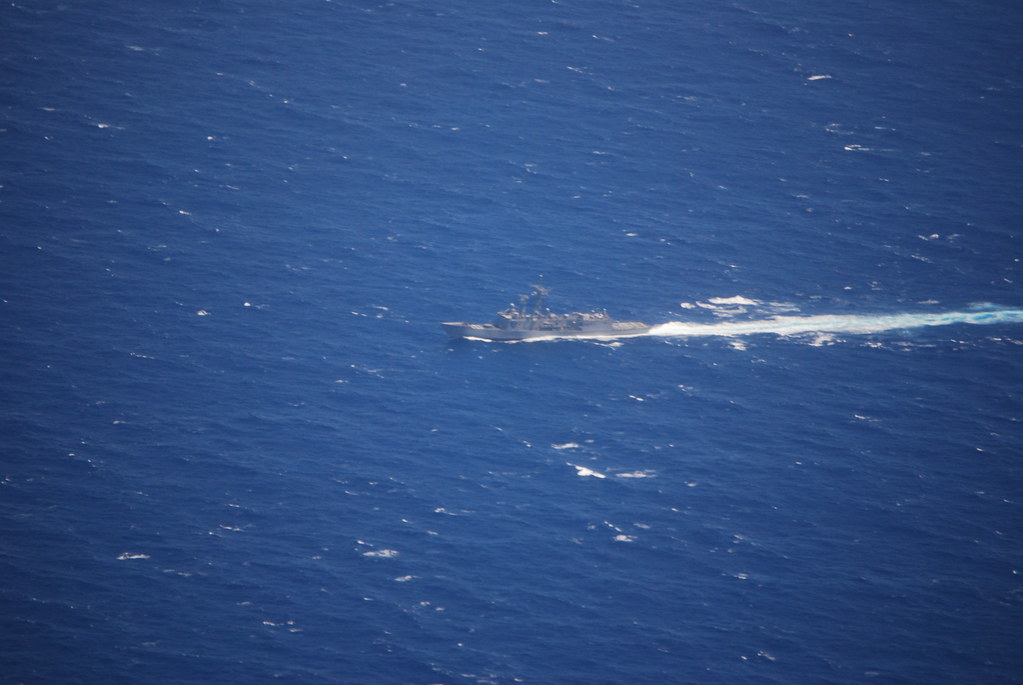
Strait of Hormuz deal is at the center of international discussions as Iran suggests a proposal to reopen the crucial waterway in seven days, which Trump has rejected.
Iran’s Proposal Explained
In a surprising move, Iran has proposed a deal to reopen the Strait of Hormuz within seven days. This vital waterway, crucial for global oil shipments, has been a focal point of tension in the region. The proposal aims to ease the current maritime standoff and enhance security for shipping lanes that many countries depend on for their energy needs.
The Iranian government outlined several key points in its offer:
- Immediate Reopening: Iran seeks to restore safe passage for vessels through the Strait of Hormuz, allowing for the free flow of oil and gas exports.
- Joint Patrols: The proposal includes a framework for joint naval patrols to ensure the safety of commercial shipping in the area.
- Diplomatic Engagement: Iran expressed willingness to engage in further diplomatic talks to address broader regional security concerns.
Despite these efforts, President Trump has decisively rejected the Iran’s proposal, stating that it does not align with U.S. interests and emphasizing the need for a stronger stance on security in the Strait of Hormuz deal.
Trump’s Response to the Deal
In response to Iran’s proposal regarding the Strait of Hormuz deal, former President Donald Trump expressed firm rejection. He emphasized that the terms outlined by Iran were unacceptable and did not align with U.S. interests in the region.
During a recent interview, Trump stated, “We cannot allow Iran to dictate terms. The Strait of Hormuz is crucial for global trade, and we must ensure its security.” His comments reflect a broader strategy to counter Iranian influence and maintain a strong presence in the Middle East.
Key points from Trump’s response include:
- Security Concerns: Trump highlighted the importance of safeguarding maritime routes to prevent disruptions in oil supply.
- Diplomatic Stance: The former president reiterated that negotiations must prioritize U.S. allies and interests.
- Regional Stability: He urged for a united front among Gulf nations to deter Iranian aggression.
As tensions continue to escalate, the future of the Strait of Hormuz deal remains uncertain, with both sides holding firm to their positions.
Importance of the Strait of Hormuz
The Strait of Hormuz is a strategically vital waterway, connecting the Persian Gulf with the Arabian Sea. It serves as a crucial passage for the global oil supply, with approximately 20% of the world’s petroleum flowing through this narrow channel. The significance of the strait cannot be overstated, as it impacts both regional and global economies.
A few key points highlight the importance of the Strait of Hormuz:
- Global Oil Transport: The strait is essential for the transportation of oil from countries such as Saudi Arabia, Iraq, and Iran to international markets.
- Geopolitical Tensions: Control over the strait has been a focal point of tension in the Middle East, with various nations vying for influence.
- Economic Impact: Disruptions in this region can lead to fluctuations in oil prices, affecting economies worldwide.
- Security Concerns: The strait remains a hotspot for military presence and potential conflicts, emphasizing its role in international relations.
Given these factors, any deal regarding the Strait of Hormuz is significant for both diplomatic efforts and global stability.
Global Reactions to the Proposal
Global reactions to the recent Strait of Hormuz deal proposal have been mixed, reflecting the geopolitical tensions surrounding the region. Several nations have expressed concern over the potential for increased conflict if diplomatic efforts fail.
- European Union officials have urged both parties to seek a peaceful resolution, highlighting the importance of stability in global oil markets.
- Russia has indicated support for Iran’s proposal, suggesting that open dialogue is crucial for regional security.
- China has remained neutral, emphasizing its economic interests in oil trade and the need for cooperation among all stakeholders.
- Middle Eastern nations have expressed apprehension, fearing that escalating tensions could disrupt shipping routes critical to their economies.
Analysts predict that the rejection of Iran’s proposal by Trump may further complicate diplomatic relations, potentially leading to a more contentious environment in the Strait of Hormuz. The international community continues to monitor the situation closely, as any developments could have significant implications for global trade and security.
Future of U.S.-Iran Relations
The future of U.S.-Iran relations remains uncertain following the recent developments regarding the Strait of Hormuz deal. With President Trump firmly rejecting Iran’s proposal, tensions between the two nations are likely to escalate further. As both sides dig in their heels, analysts are concerned about the implications for regional stability and global oil markets.
Several factors will influence the trajectory of these relations:
- Military Presence: The U.S. continues to maintain a significant military presence in the region, which may deter Iranian aggression but also provoke further confrontations.
- Economic Sanctions: Ongoing sanctions against Iran have severely impacted its economy, leading to calls for negotiations that could alleviate these pressures.
- International Alliances: The role of allies, including European nations and Gulf states, will be crucial in mediating tensions and fostering dialogue.
- Public Sentiment: Domestic pressure within both countries could influence policymakers to seek a more diplomatic approach to avoid conflict.
The recent developments surrounding the Strait of Hormuz deal have escalated tensions between the U.S. and Iran. Analysts suggest that Trump’s rejection of Iran’s proposal could further complicate the already fragile situation in the Strait of Hormuz deal negotiations.
By wbaiv via Openverse


2 thoughts on “Strait of Hormuz deal: Trump rejects Iran’s proposal”